

Dangerous Goods Transport
Dangerous goods road transport with cargo-specific handling plans, documentation coordination and agreed handovers for accepted shipments.
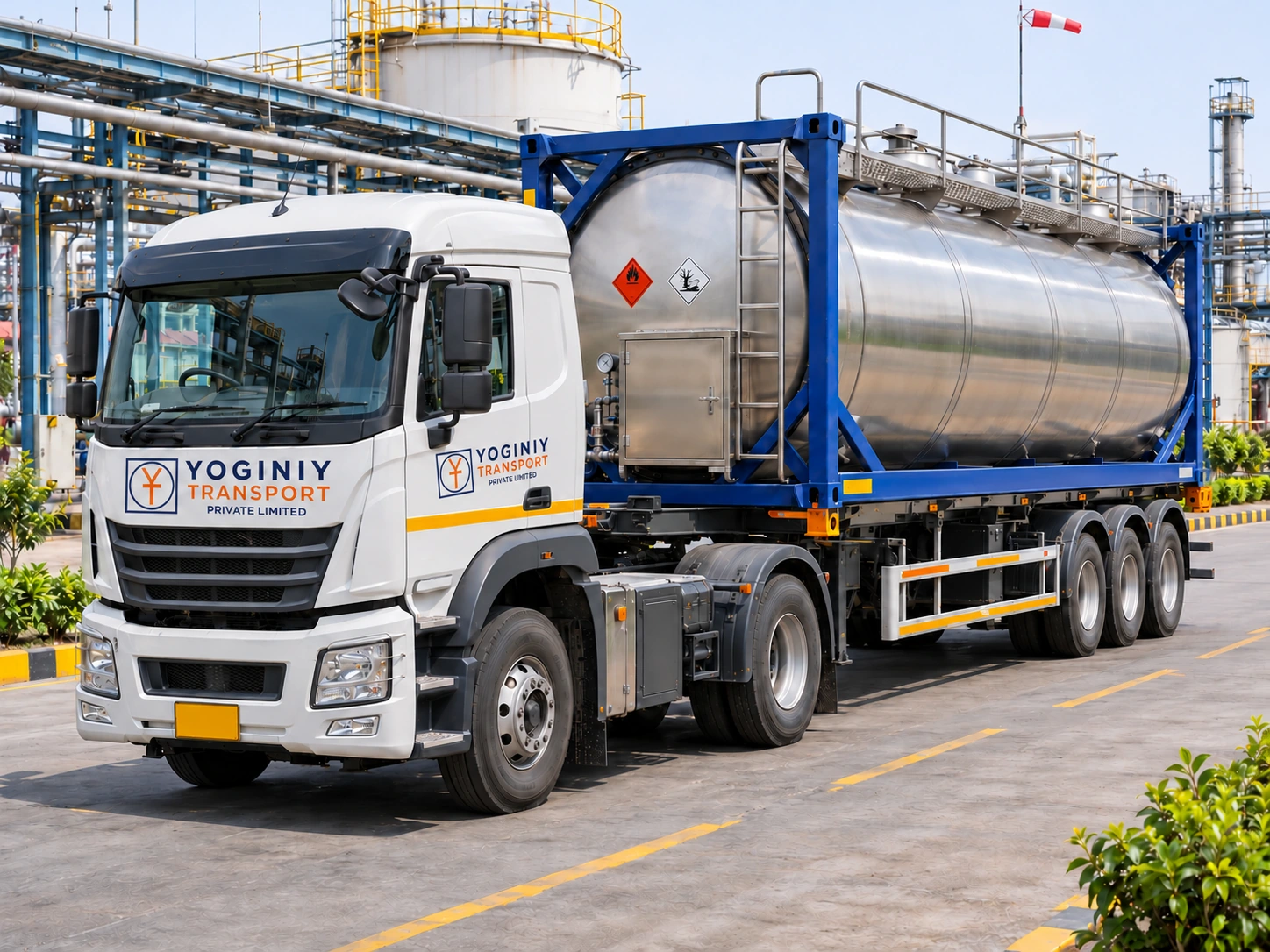
Yoginiy provides dangerous goods road logistics for Classes 2–9, supported by DG-trained and certified management and operations staff. Each shipment is assessed for its classification, packaging, documentation, vehicle suitability and assigned handling tasks, with planning for loading, unloading and transit safety.
All DG movements follow documented Standard Operating Procedures, with Emergency Response Information Sheets carried in every vehicle. Route surveys for sensitive DG movements are available on request. DG cargo can be combined with transit insurance and industrial packaging for compliant end-to-end handling.
Hazard Classes We Handle
DG Compliance Framework
Industries That Use This Solution
Dangerous Goods FAQs
What are dangerous goods in logistics?
Dangerous goods (DG) are substances or articles that pose a risk to health, safety, property or the environment during transportation. They are classified under the IMDG (International Maritime Dangerous Goods) code into hazard classes — including gases, flammable liquids, flammable solids, oxidisers, toxic substances and corrosives. Dangerous goods require specially trained drivers, compliant vehicles, documented procedures and appropriate emergency preparedness.
What dangerous goods classes does Yoginiy Transport handle?
Yoginiy provides dangerous goods road logistics for Classes 2–9, supported by DG-trained and certified management and operations staff. Each shipment is assessed for its classification, packaging, documentation, vehicle suitability and assigned handling tasks, with planning for loading, unloading and transit safety.
How are dangerous goods transported safely?
Yoginiy provides dangerous goods road logistics for Classes 2–9, supported by DG-trained and certified management and operations staff. Each shipment is assessed for its classification, packaging, documentation, vehicle suitability and assigned handling tasks, with planning for loading, unloading and transit safety.
Who handles dangerous goods shipments?
DG-certified staff support dangerous goods handling and movement coordination. The team confirms the personnel, vehicle and documentation requirements for each accepted shipment.
What documentation is required for dangerous goods shipments?
Dangerous goods shipments require documentation that typically includes a DG declaration, an Emergency Response Information Sheet, proper consignment notes and any applicable regulatory certificates depending on the class and route. Yoginiy Transport prepares documentation at each stage of the movement to support compliance and audit readiness.
How does Yoginiy Transport prepare for DG emergencies?
Every DG movement carries an Emergency Response Information Sheet specific to the hazard class being transported. Yoginiy Transport maintains a 24/7 emergency protocol and incident response capability for DG operations.
How can I request a dangerous goods logistics quote?
Contact the Yoginiy Transport team with details of your cargo — including the IMDG class, UN number if known, origin, destination and volume — and we will advise on the appropriate DG transport solution.
Dangerous Goods Transport
Talk to our team about your dangerous goods transportation and compliance requirements.